Why I Wrote Look Up
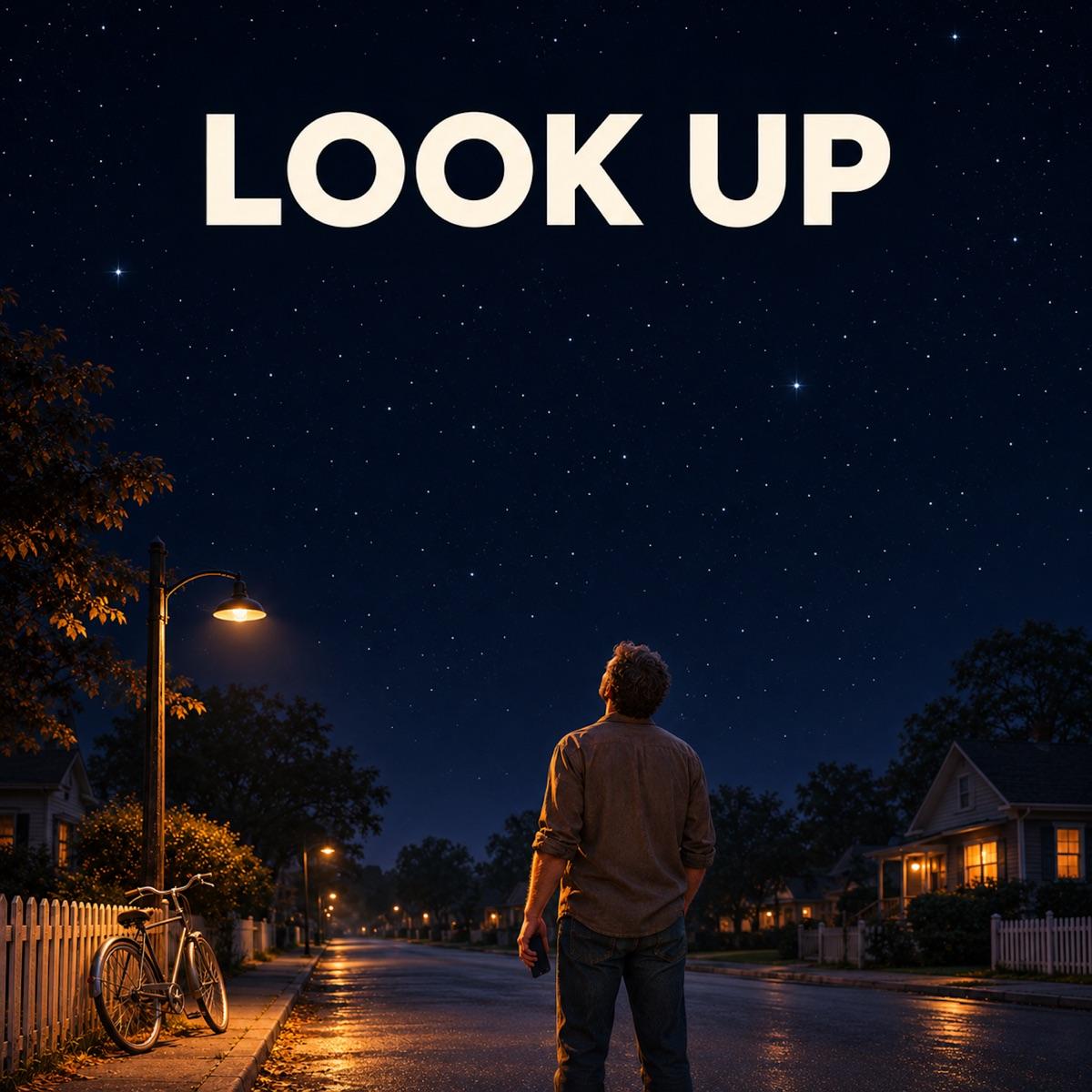
I grew up in the ’70s, when the streetlights coming on meant it was time to get home. That’s where I started writing Look Up. I wanted to get back to the feeling of seeing a pile of bikes outside somebody’s house and knowing where everybody was. If you wanted to see a friend, you went over and knocked.
Then I started thinking about all the funny little things we did to make technology work. A pencil could rescue a cassette. Somebody had to hold the TV antenna in just the right spot, and of course the picture went fuzzy the second they let go. Later, you could be halfway through downloading a picture when somebody picked up the phone and that was the end of it.
My favorite thing about the mixtape line is that somebody sat there and made it for you. They picked the songs, got the order right, and hoped you’d hear whatever they were trying to say. I wanted that kind of care in the song, right alongside the jokes.
I wanted the music to change with the memories
As the producer, I wanted you to hear the decades change even if you missed a lyric. The ’70s start with a disco-funk groove. For the ’80s, I went with drum-machine claps and two voices trading rap lines. That section was the one that made me think, Okay, now I’ve got it. Then there’s the dial-up cue into ’90s piano house, the heavier club sound of the 2000s, and the bigger dance sound of the 2010s. By the time I get to AI in the 2020s, the groove has changed again, and there’s more room to sit with the question I’m asking.
The line I wanted to leave hanging in the middle of all that was “Same couch. Two screens.” I wanted the beat to drop out right there. I know how easy it is to tell myself I’ll check one thing while somebody is sitting right next to me. That’s why “I’m right here” matters so much to me. Some days I’m the one who wants to hear it. Some days I’m the one who needs to look up.
The AI verse is personal for me, too
I use AI to build software, and I used it while making this song. I had an idea for a dance track that changes sound as it moves through six decades and into an imagined 2030. AI helped me hear versions of that idea I could keep working on. I still had to decide which words felt like mine, when to change the groove, and when the song needed a little silence. That’s probably why I love the printer joke. We can make a song with AI and somehow the printer’s still offline.
The harder question is how much of my own judgment I’m willing to hand over once the answers start coming that easily. A tool can lay out a dozen choices and sound sure about every one of them. I still have to live with the one I pick.
That’s why I ended up writing about taking the long way home with somebody you love. The glasses in the last verse can find the shortcut. I can decide I’d rather have a few more minutes together. And in the final chorus, after a song full of things that have changed, we’re still wishing on the same old stars. I wanted the ending to feel like we could step outside tonight and see them.
Listen to Look Up
Choose your streaming platform or explore the release.
You can also open the Amazon Store listing.
Michael D Penn
Writer and producer
Related Posts

Let Your Light Shine: Strength to Keep Going, Love to Give Away
Producer Michael D Penn reflects on Let Your Light Shine, a song about drawing strength from God, persevering in faith, and sharing His love through everyday action.
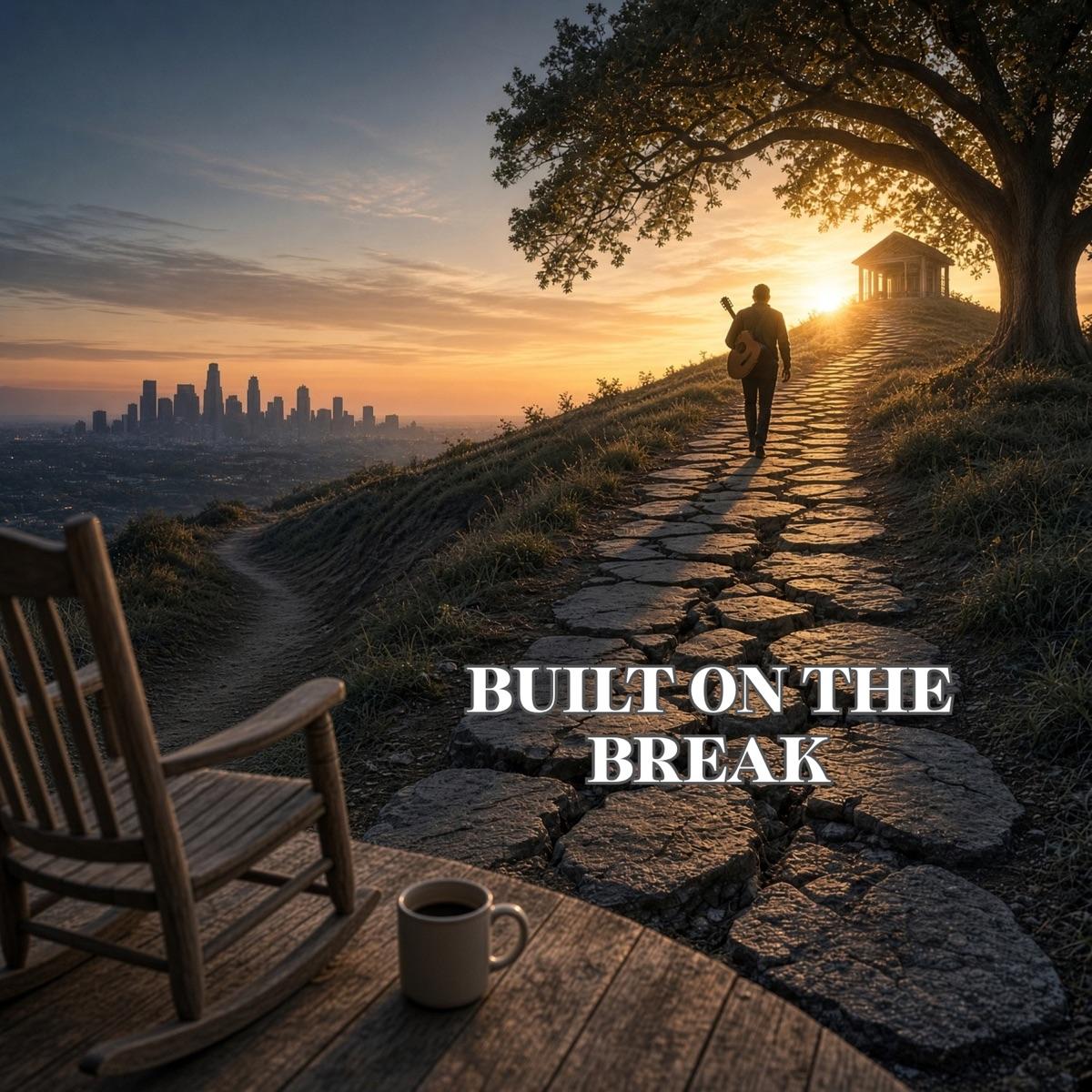
Built on the Break: Rediscovering What Matters When Life Comes Apart
Producer Michael D Penn reflects on Built on the Break, a song about releasing an identity built on achievement and rediscovering faith, connection, and peace.

I'd Marry You Again: Choosing Love With a Deeper Understanding
Producer Michael D Penn shares the heart of I'd Marry You Again: gratitude for a marriage shaped by prayer, shared life, and the choice to keep loving each day.